

[Gazprom, aluminum , home charger]
Source: Cable Network
[Cable Network News] Three weeks after the "Beixi-1" supply of natural gas was interrupted, even Germany, one of the toughest countries, finally took the initiative to initiate a purchase application for this product that was "sanctioned" by itself.
From "absolute refusal" to "active procurement", in addition to "can't stop" for Gazprom, which has been included in the sanctions list, European buyers are also indifferent to the attitude of Rusal, which has not been included in the sanctions list.
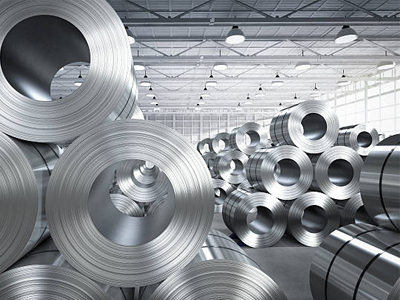
Some choose not to buy anymore: Novelis, one of the world's largest buyers of aluminum, announced that its European plants will no longer buy Russian metal next year; Norway's Hydro also officially announced that its auto and construction The sector that supplies aluminum products to the industry will exclude Russian-produced aluminum from purchases in 2023.
Even in the "matching season" of the aluminum industry in September, the organizer of Barcelona, Spain, who organized the aluminum contract negotiation event in the following year, refused to authorize the Rusal team to participate in the event this time.
But there are some options to keep buying: An executive at Paris-based global aluminium supplier Constellium said it plans to continue buying from Rusal next year, with a share similar to 2022 levels because Rusal is not sanctioned , however, he also said no final purchasing decision has been made.
A trader admitted that in today's situation, buyers are trying to squeeze as much profit as possible, demanding discounts from Rusal.
Rusal itself is working hard: Rusal`s team has become uninvited [guests" in Barcelona, offering discounts to buyers; (in the process of) developing a plan to deliver aluminium directly to the London Metal Exchange (LME) warehouses in Asia. Plans - Seeking Asian buyers.
In fact, the "cheap" aluminium offered by Rusal is very attractive to European buyers - per tonne at a time when they are facing record high electricity prices, severely squeezed margins and the threat of a significant reduction in European aluminium production capacity. The discount is $100 to $150.
Data show that from March to June this year, the EU imported an average of 78,207 tons of Rusal per month, an increase of 13% over the same period last year.